
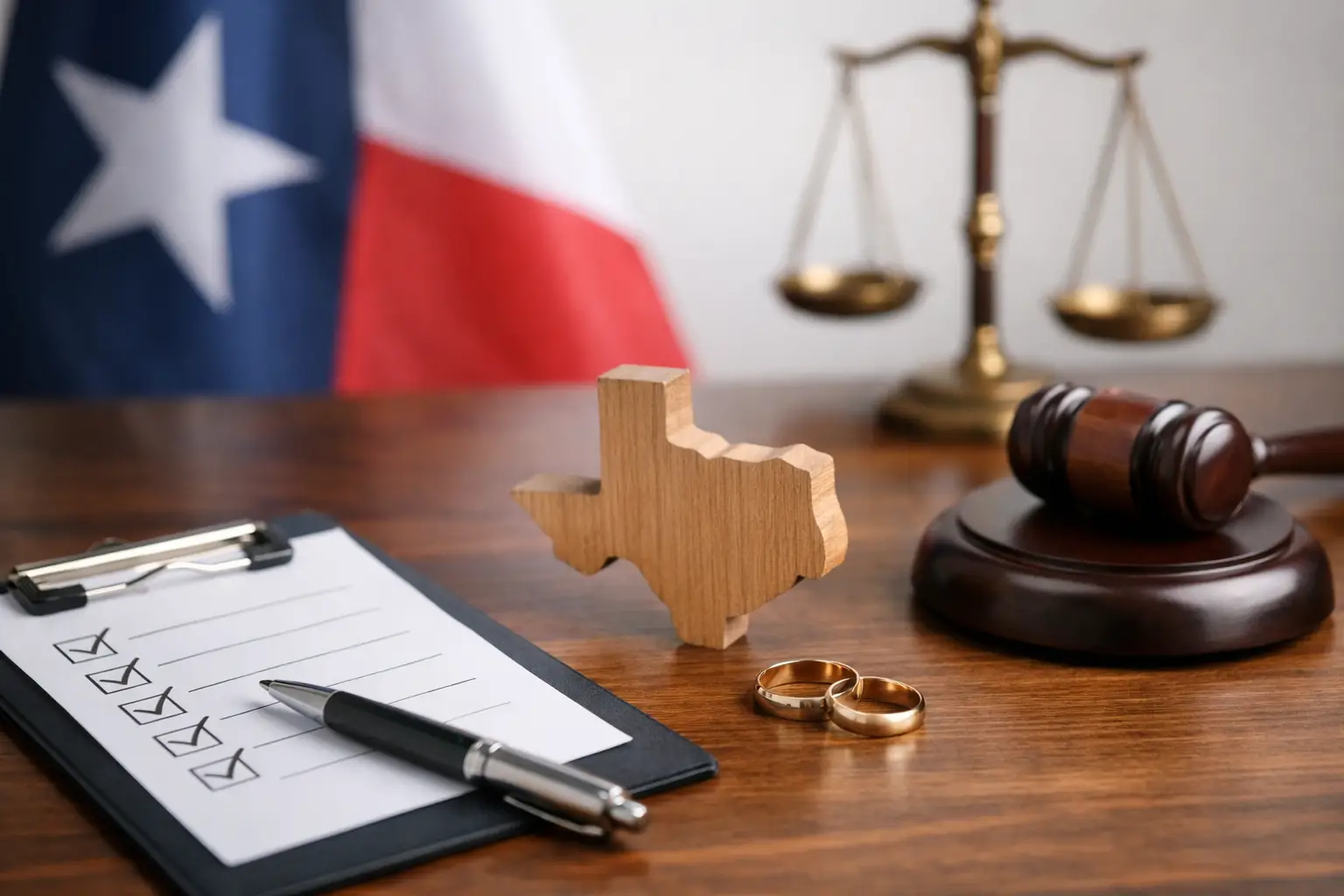
Divorce paperwork is much easier to manage when you know what belongs in the stack before you start filling out forms. The best Texas divorce checklist is not just a list of documents. It is a practical way to identify your priorities, confirm whether an uncontested process fits your situation, and avoid preventable delays at the courthouse.
For many Texans, an uncontested divorce can be a more affordable and lower-conflict path. It works best when both spouses can agree on the terms of the divorce, including property, debts, and any issues involving children. Agreement does not mean the decisions are always easy. It means both people are willing to work toward a written resolution rather than ask a judge to decide each disputed issue.
Start With Texas Divorce Eligibility
Before gathering forms, make sure Texas is the right place to file. Generally, at least one spouse must have lived in Texas for the previous six months and in the county where the divorce will be filed for at least 90 days. There can be exceptions and special circumstances, so do not assume a move, military assignment, or recent separation automatically rules out filing.
You will also need a legally recognized marriage to dissolve. Whether you were married through a ceremony or may have a common-law marriage is worth addressing early, particularly if one spouse disputes that a marriage existed.
An uncontested divorce is usually a good fit when you and your spouse agree on the major terms and can communicate safely and productively. If there is family violence, intimidation, hidden finances, an uncooperative spouse, or a serious disagreement about children or property, a simpler filing process may not adequately protect you. Those situations often call for individualized legal advice.
Best Texas Divorce Checklist: Gather Your Core Information
A complete file saves time later. Start a secure folder, either on paper or electronically, and collect clear copies of the information that applies to your household. You may not need every item for every divorce, but having it available makes the process more organized.
- Full legal names, current addresses, dates of birth, and contact information for both spouses
- Marriage details, including the marriage date, marriage county or state, and any prior divorce decrees
- Social Security information and driver’s license or identification details when required for court documents
- Names, dates of birth, and current living arrangements for minor children
- A complete list of assets, debts, monthly income, and regular household expenses
- Recent statements for bank accounts, credit cards, loans, retirement accounts, mortgages, and vehicle financing
- Deeds, vehicle titles, insurance information, tax returns, pay stubs, and business records if applicable
Do not overlook digital records. Online bank statements, retirement account portals, payment apps, and cloud-stored tax documents can provide information that is easy to forget when you are working from memory. Make copies before accounts are closed, passwords change, or a spouse moves out.
Write Down the Agreements Before Preparing Forms
Court forms are much easier to complete after the two of you have discussed the actual terms. A verbal understanding can be a useful start, but your decree needs specific, workable language. Vague promises such as “we will split things fairly later” can create problems after the divorce is final.
For property and debt, list what each spouse will keep and who will be responsible for each obligation. Texas is a community property state, but that does not mean every item must be divided exactly in half. A fair agreement may account for who needs a vehicle for work, who will remain in the home, the value of retirement accounts, and which spouse is taking on particular debts.
Be especially careful with debts. A divorce decree can assign responsibility between spouses, but it does not automatically remove either person’s name from a mortgage, credit card, or auto loan. If both spouses signed the original contract, the lender may still look to either person for payment until the account is refinanced, paid off, sold, or otherwise changed.
If You Have Children
Parents need a clear plan for conservatorship, possession and access, child support, medical support, and decision-making. Texas uses specific legal language in these areas, and a parenting arrangement should be detailed enough to work during school weeks, holidays, summer breaks, and unexpected schedule changes.
Think beyond the standard exchange schedule. Consider transportation, extracurricular expenses, health insurance, communication with the children, and how future changes will be handled. If you are able to agree now, putting those details in writing can prevent difficult conversations later.
Prepare the Right Texas Divorce Forms
Most divorces begin with an Original Petition for Divorce. The petition tells the court basic information about the marriage, children, property, and the relief being requested. Depending on the circumstances, you may also need a civil case information sheet, a waiver of service, an answer, required notices, and a Final Decree of Divorce.
The Final Decree is the document that matters most after the case is over. It contains the court-approved terms for property, debts, children, support, and name changes, if requested. It should match the agreements you reached and be complete enough to carry out without future guesswork.
Do not treat form selection as a minor detail. Forms for a divorce with children are different from forms for a divorce without children. A case involving real estate, retirement benefits, a business, a protective order, or a spouse who cannot be located may require additional documents or a different approach.
Texas courts generally require a 60-day waiting period from the date the petition is filed before a divorce can be finalized. There are limited exceptions, but most couples should plan around that timeline. Filing quickly does not necessarily mean finalizing quickly if paperwork is incomplete or the court has questions.
File, Notify, and Track Every Deadline
Once your petition is ready, it is filed with the district clerk in the appropriate county. Filing fees vary by county, and fee waivers may be available for people who qualify. Keep stamped copies of everything you file and record the case number as soon as you receive it.
Your spouse must receive formal notice of the case unless they sign a properly completed waiver of service. In a cooperative uncontested divorce, a waiver is often used to avoid the cost and stress of formal service. It must be handled correctly, however. A signed document that does not meet court requirements can slow down the case.
Create a simple calendar for your filing date, the end of the waiting period, any documents still needing signatures, and your expected prove-up or final hearing date. Court procedures vary from county to county. Some courts require appointments, while others have specific days or local instructions for uncontested final hearings.
Review the Decree Like It Will Be Used Years From Now
Before the final hearing, read the decree slowly. Confirm the spelling of names, account numbers where appropriate, legal descriptions for real estate, vehicle identification details, and all child-related provisions. Check that each asset and debt has been addressed. A missing retirement account or an unclear home-sale provision can be much harder to fix after the judge signs the decree.
You should also confirm that the decree says what you believe it says. For example, “one spouse keeps the house” is not enough if the document does not explain who pays the mortgage, when the other spouse signs a deed, or what happens if refinancing is not possible. Clear terms protect both people.
After the judge signs the decree, obtain certified copies if you will need them for a name change, vehicle title transfer, retirement division, or other post-divorce tasks. Then follow through on the practical changes: update beneficiaries where appropriate, separate insurance policies, close or refinance joint accounts, and keep your final paperwork in a secure place.
Know When a Checklist Is Not Enough
A checklist creates order, but it cannot resolve every legal or financial complication. Seek additional help if you have significant retirement assets, real estate with equity, a family business, bankruptcy concerns, immigration questions, disputed parentage, safety concerns, or a spouse who refuses to cooperate.
The same is true when one spouse has been out of the workforce for years or there is a large difference in income. Spousal maintenance is not automatic in Texas, and eligibility depends on specific facts. It is better to understand those facts before signing an agreement that cannot easily be undone.
A well-prepared uncontested divorce is not about rushing through a difficult decision. It is about taking each step with enough care that you can move forward with fewer unanswered questions. With organized records, clear agreements, and personalized Texas filing guidance when you need it, the process can feel far more manageable.
📞Get Started Today – Your Peaceful Divorce Is Just a Click Away
When you’re ready to move on, we’re ready to help.
📲 Call us now at (800) 432-0018
🖥️ Start your divorce online today