
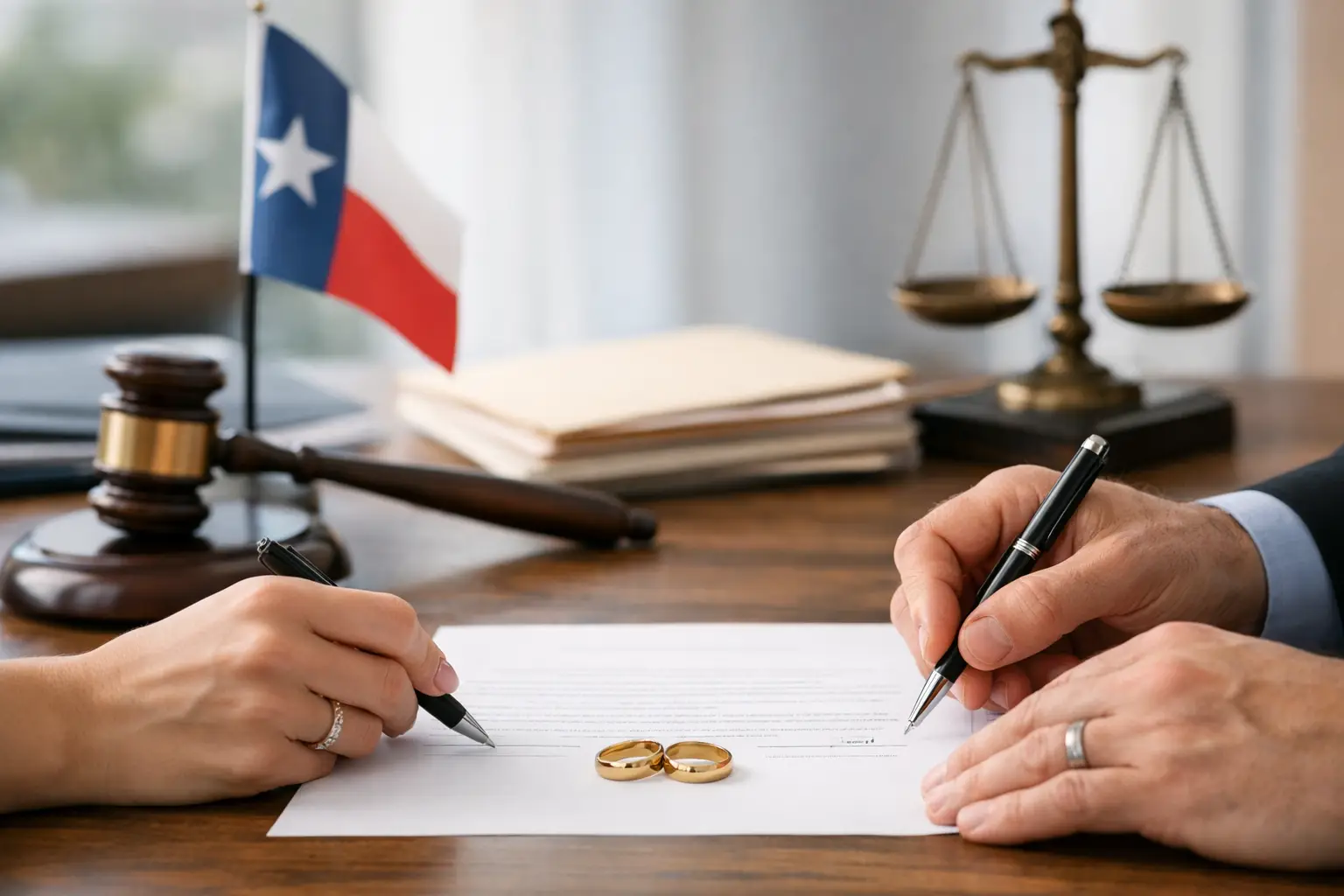
When you are ready to submit agreed divorce decree paperwork, the finish line can feel close – and it usually is. Still, a divorce is not final simply because both spouses have reached an agreement or signed documents. The decree must be properly presented to the court and signed by the judge. A few missed details at this stage can lead to a reset hearing, a rejected filing, or more waiting when you are ready to move forward.
For Texans pursuing an uncontested divorce, understanding what happens between agreement and final signature can make the process feel far more manageable.
What an agreed divorce decree does
The Final Decree of Divorce is the court order that formally ends the marriage. It records the agreements that you and your spouse have made about property, debts, name changes, and, when applicable, children. Once the judge signs it, the decree becomes the enforceable order both parties must follow.
An agreed decree generally means both spouses have reviewed the terms and are not asking the judge to decide contested issues. That does not mean the court will sign every document automatically. The judge must be satisfied that the paperwork is complete, follows Texas requirements, and addresses the issues that apply to your family.
For example, a decree involving a house, retirement accounts, or a child support order needs especially careful wording. An agreement that seems clear in conversation may not be specific enough for a court order. The decree should say who receives what, who is responsible for which debt, and what steps must happen after the divorce is final.
Before you submit an agreed divorce decree
Start by confirming that the required waiting period has passed. In most Texas divorces, at least 60 days must pass from the date the Original Petition for Divorce was filed before a judge can finalize the case. There are limited exceptions, but most uncontested cases follow the 60-day rule.
You should also make sure the case is procedurally ready for finalization. This can depend on how your spouse was brought into the case. If your spouse signed a Waiver of Service, the waiver needs to be completed correctly and filed. If your spouse filed an Answer, it should already be in the court record. If service was used, confirm that the return of service has been on file for the required period before the final hearing.
The decree itself should match the petition and the facts of your case. Check basic details closely: both names, the county and court number, the date of marriage, the date of separation if included, and the names and birth dates of children. Small inconsistencies can slow down a simple case.
If children are involved, the court may require additional forms or information beyond the decree. Child support, medical support, conservatorship, possession schedules, and required notices must be addressed. Courts take these provisions seriously because the order must protect the children’s best interests, not merely reflect what the parents discussed.
Gather the documents your court expects
Texas courts do not all use the exact same finalization process. Some courts want you to file the proposed decree before the hearing. Others want you to bring it to a prove-up hearing, while some may allow an uncontested matter to be submitted through a local procedure without a traditional appearance. Always follow the instructions for the county and court handling your case.
In many cases, you will need the signed Final Decree of Divorce along with any supporting documents required by the court. Depending on your circumstances, that may include a civil case information sheet if locally required, a military status affidavit, wage withholding paperwork for child support, or documents related to property transfers.
Bring a government-issued photo ID if you will appear in person. It is also wise to have copies of the filed petition, your spouse’s waiver or answer, and any other orders already entered in the case. Even when the clerk or judge has access to the electronic file, having organized paperwork available can prevent unnecessary stress.
Do not assume a signature page alone is enough. Review the entire decree before submission. Make sure all required signature lines are complete, including the spouses’ signatures where required and any notary acknowledgments. A missing page, blank exhibit, or unsigned attachment can keep the judge from signing.
How to submit an agreed divorce decree at finalization
The final step is usually called a prove-up hearing. This is generally a brief court appearance where the petitioner asks the judge to grant the divorce and confirms that the decree reflects the agreement. In a straightforward uncontested case, the hearing may last only a few minutes, but preparation still matters.
The petitioner should be prepared to state basic facts under oath: that they meet Texas residency requirements, that the petition has been on file for the required time, that the marriage has become insupportable, and that the proposed decree is a fair agreement or otherwise appropriate for the court to sign. If children are involved, the judge may ask questions about whether the arrangements serve their best interests.
When it is time to submit an agreed divorce decree, present the judge’s copy in the format required by that court. Some courts prefer paper copies with a clearly marked signature page. Others manage the proposed order electronically through their filing system. Court staff cannot give legal advice, but they can often explain local filing and submission procedures.
Be respectful and concise in the courtroom. Answer the judge’s questions directly. You are not there to retell the history of the marriage or negotiate terms that were supposed to be resolved already. If the judge identifies a missing provision or unclear language, the case may be continued so the documents can be corrected.
Common reasons a decree is delayed
Most finalization delays are preventable. The court may reject or hold a decree when the property division is too vague, required child-related terms are missing, dates or names do not match the case file, or signatures have not been completed correctly.
Property provisions deserve a careful second look. If one spouse will keep a vehicle, the decree should identify it accurately. If a home will be sold or transferred, the decree needs practical direction about who will sign documents, make payments, or receive sale proceeds. Retirement accounts can require a separate order after the divorce, and the decree should not promise a division that cannot be carried out as written.
Another common issue is a change in agreement at the last minute. If either spouse no longer agrees to the decree, it is no longer an agreed divorce in the practical sense. Do not present a document as agreed if there is an active dispute over its terms. The appropriate next step depends on the issue and the court’s procedures, but trying to rush through an unresolved disagreement can create larger problems later.
After the judge signs the decree
Ask the clerk how to obtain certified copies of the signed decree. Keep the original final documents in a secure place, and provide copies to the people or institutions that need them. This may include an employer for wage withholding, a bank, a title company, a retirement plan administrator, or the Texas Department of Public Safety if you are changing your name.
Finalization is also the time to follow through on deadlines written into the decree. Transfer vehicle titles, close or refinance joint accounts when required, update beneficiaries where appropriate, and complete any property documents promptly. A signed decree gives you the authority to take these steps, but it does not complete them for you.
A calm, organized final submission can spare you another trip to court and help you begin the next chapter with clarity. If you want personalized, Texas-focused help preparing uncontested divorce paperwork and understanding your filing steps, Ready Texas Divorce can help you approach finalization with greater confidence.