
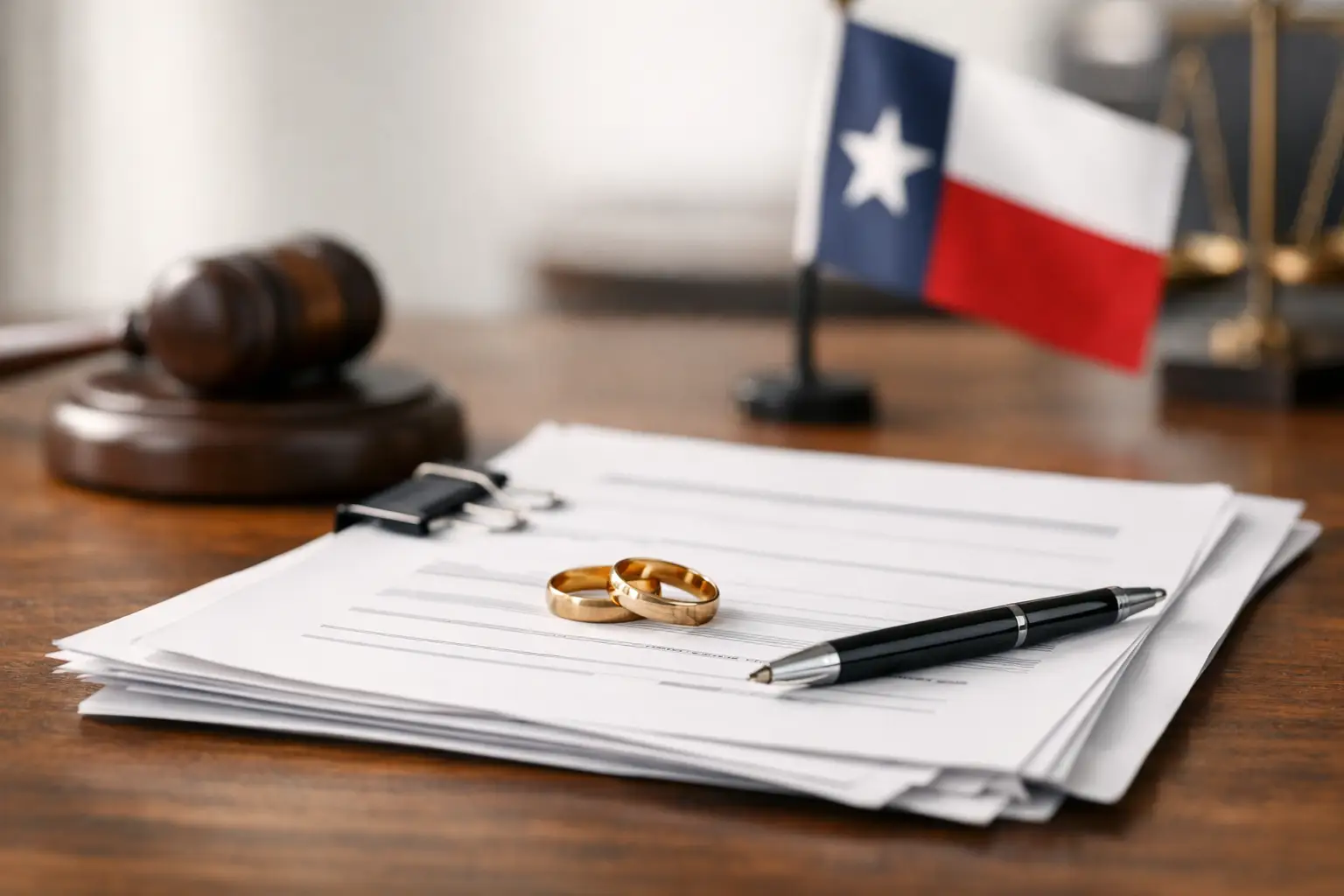
If you are trying to figure out what documents start Texas divorce, the first thing to know is this: most cases begin with one core filing, but the full paperwork depends on your family and financial situation. That is where many people get stuck. They hear “file for divorce” as if it is one simple form, then realize Texas courts may require additional documents, notices, or county-specific paperwork.
The good news is that the starting point is usually more manageable than it feels. If your case is uncontested and both spouses are aiming for a practical, lower-conflict process, the paperwork can often be prepared in a clear, organized way. Knowing which document actually opens the case, and which ones may come next, helps you avoid delays and unnecessary stress.
What documents start Texas divorce in most cases?
In Texas, the document that usually starts the divorce is the Original Petition for Divorce. This is the form filed with the district clerk to open the case formally. It tells the court that one spouse, called the petitioner, is asking for a divorce and gives basic information about the marriage, the parties, any children, and the relief being requested.
For many people, this is the answer to the question what documents start Texas divorce. But in practice, the petition is often not the only paper involved at the beginning. Depending on the county and the facts of your case, you may also need a civil case information sheet or similar local filing document, and if children are involved, there can be additional required forms early in the process.
That distinction matters. The Original Petition for Divorce opens the case, but a complete and accepted filing package may include more than one document.
The Original Petition for Divorce
The Original Petition for Divorce is the foundation of the case. It does not need to tell your entire life story, and in uncontested cases it usually should not. Instead, it provides the court with the essential information needed to create the case and move it forward.
This petition generally includes the names of both spouses, confirmation that residency requirements are met, the date of marriage, whether children were born or adopted during the marriage, and a basic statement that the marriage has become insupportable. In Texas, insupportability is the no-fault ground most uncontested divorces use.
It may also include requests about property division, debts, name restoration, and conservatorship or support issues if children are involved. Even when spouses agree on everything, the petition still needs to be drafted carefully. If it is too vague, incomplete, or inconsistent with the final decree you want later, it can create avoidable problems.
Other forms that may be filed at the start
Once people ask what documents start Texas divorce, the next question is usually whether they need anything beyond the petition. Often, yes.
Some counties require filing cover sheets or local forms when the case is opened. These are administrative documents rather than the legal heart of the divorce, but they can still affect whether the clerk accepts your filing. If you are filing in a county with local requirements, missing one of these forms can slow things down.
If there are children under 18, the court may also require additional information early in the case. That can include a Suit Affecting the Parent-Child Relationship section within the petition or related forms tied to children, support, or required parenting classes in some counties. The exact starting package depends on whether the divorce involves only the marriage or also includes custody and child support matters.
In some situations, a spouse may also file a request for temporary orders near the beginning of the case. This is more common if there is disagreement about who stays in the house, how bills are paid, or what happens with the children while the divorce is pending. For a straightforward uncontested divorce, temporary orders are often unnecessary, but it depends on how much cooperation exists.
What if both spouses agree?
When both spouses agree to move forward and intend to keep the process uncontested, the case still typically begins with one spouse filing the Original Petition for Divorce. Texas does not require both spouses to file jointly in the way some states do.
After filing, the other spouse, called the respondent, usually signs a Waiver of Service or files an Answer. A Waiver of Service does not start the divorce, but it is often part of a smoother uncontested process because it avoids formal service by a constable, sheriff, or private process server.
This is an area where details matter. A waiver has timing and content requirements, and signing the wrong document too early can create issues. People sometimes download forms online and assume any waiver will work. In reality, Texas courts expect the wording and timing to be handled properly.
Documents that do not start the case, but matter soon after
A lot of divorce paperwork gets confused with opening paperwork. The Final Decree of Divorce, for example, does not start the case. It is the document signed at the end that finalizes the divorce terms. Likewise, a marital settlement agreement, child support forms, wage withholding orders, and possession schedules may become important later, but they are not usually what opens the case.
There may also be a standing order in some counties that applies automatically when a divorce is filed. In those counties, parties need to understand the restrictions that go into effect at the start, such as limits on hiding assets or changing insurance coverage. A standing order is not something you draft from scratch, but it can affect what happens immediately after filing.
If your spouse needs formal notice, the citation issued by the clerk is also part of the early process. Again, it does not replace the petition. It works with it by notifying the other spouse that the case has been filed.
Common mistakes when starting a Texas divorce
The biggest mistake is assuming that the court will fix incomplete paperwork for you. Clerks can reject filings for procedural reasons, and judges cannot act on documents that are missing required information.
Another common problem is using forms that do not fit the case. An uncontested divorce with no children is very different from a divorce involving minor children, retirement accounts, real estate, or a request to restore a former name. The starting documents need to match the facts. If they do not, the case can become harder to finish cleanly.
People also run into trouble by overlooking residency rules. Before filing, one spouse generally must have lived in Texas for at least six months and in the county of filing for at least 90 days. If those requirements are not met, the issue is not just paperwork. The court may not be the right place to file yet.
The last major issue is inconsistency. The petition, waiver, answer, final decree, and any child-related orders should all align. If the opening paperwork says one thing and the final documents say another, corrections may be required before the judge will sign.
Why the right start matters in an uncontested case
In contested divorces, paperwork problems often get buried under a longer court fight. In uncontested divorces, the paperwork is the process. That means accuracy at the beginning matters even more.
A well-prepared filing can make the rest of the case feel orderly. It helps with service or waiver, supports preparation of the final decree, and reduces the chance of a hearing delay because something was missing from the initial case file. For people who want a divorce that is affordable and low conflict, that kind of organization matters.
This is also why personalized guidance can be so helpful. A non-automated approach can catch practical issues early, like whether a county has local filing requirements, whether the petition language matches the couple’s agreement, or whether child-related paperwork needs to be added from the start. Ready Texas Divorce focuses on that kind of step-by-step support because small filing mistakes can turn a simple case into a frustrating one.
So, what should you gather before filing?
Before anyone prepares the opening documents, it helps to have a clear picture of the marriage and what needs to be addressed. That usually means basic identifying information for both spouses, dates of residence, the marriage date, information about any children, and a rough understanding of property and debts.
You do not need every issue fully negotiated before filing the petition. But you should know enough to choose the right form set and draft the case correctly. If there is a house, retirement account, child support issue, or concern about serving your spouse, those details affect how the case should begin.
Starting a divorce in Texas is rarely about one random form pulled from the internet. It is about opening the case with the right petition, the right supporting documents, and the right expectations for what comes next. When that first step is handled carefully, the rest of the process usually feels much more manageable.
If you are feeling overwhelmed, that does not mean your case is unusually complicated. It usually means you want to get it right, and that is a smart place to start.